

Delving into wood plank exterior siding, this introduction immerses readers in a unique and compelling narrative. It covers the definition, types of wood used, benefits of choosing wood plank siding, installation process, maintenance tips, design options, and finishes.
Introduction to Wood Plank Exterior Siding
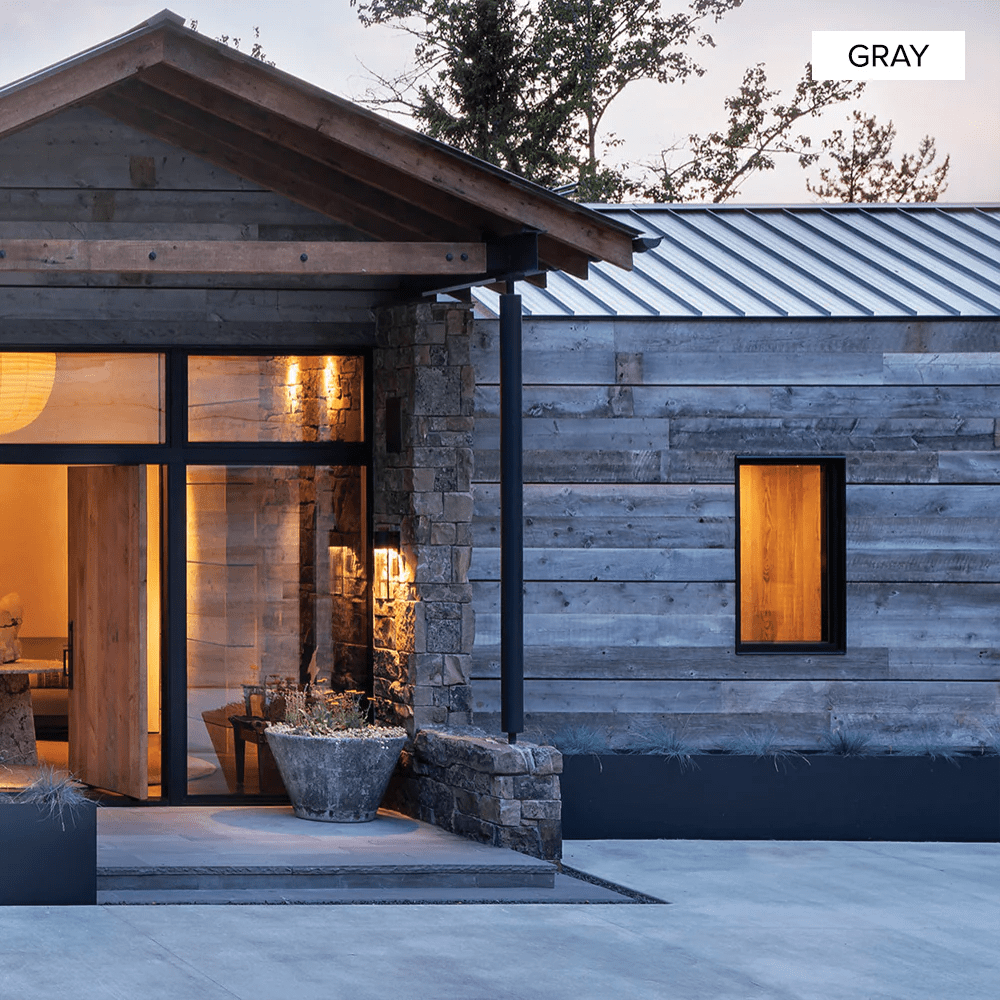
Wood plank exterior siding is a type of material used in construction to cover the exterior walls of a building. It serves as a protective barrier against the elements while enhancing the aesthetic appeal of the structure.There are various types of wood that are commonly used for exterior siding, including cedar, pine, redwood, and spruce.
Each type of wood has its unique characteristics in terms of durability, cost, and appearance, allowing homeowners to choose the best option based on their preferences and budget.Choosing wood plank siding offers several benefits over other materials. Wood is a natural insulator, providing better thermal protection compared to materials like vinyl or aluminum siding.
Additionally, wood siding is durable, environmentally friendly, and can be easily painted or stained to match the desired color scheme of the building.
Installation of Wood Plank Exterior Siding
When it comes to installing wood plank exterior siding on a building, it is essential to follow a step-by-step process to ensure a successful outcome. This process involves specific tools and materials, as well as tips to help maintain the durability and longevity of the siding.
Step-by-step Process
- Prepare the surface: Ensure that the building’s exterior is clean, dry, and free from any debris or obstacles that could interfere with the installation.
- Measure and cut the planks: Accurately measure the dimensions of the area where the siding will be installed and cut the wood planks to fit accordingly.
- Install the starter strip: Begin by installing a starter strip at the bottom of the building to provide a base for the first row of wood planks.
- Secure the planks: Use nails or screws to secure the wood planks to the building, making sure to leave a small gap between each plank to allow for expansion and contraction.
- Finish the edges: Trim the edges of the siding to ensure a clean and professional finish that enhances the overall appearance of the building.
Tools and Materials
- Hammer or nail gun
- Saw
- Tape measure
- Level
- Wood planks
- Nails or screws
- Starter strip
Tips for Durability and Longevity
- Apply a protective finish: To protect the wood from moisture, sun exposure, and other elements, consider applying a sealant or paint to the exterior siding.
- Maintain regularly: Inspect the siding periodically for any signs of damage or wear and tear, and address any issues promptly to prevent further damage.
- Keep the siding clean: Regularly clean the wood planks to prevent the buildup of dirt, mildew, or other contaminants that could compromise the integrity of the siding.
- Monitor for pests: Be on the lookout for signs of pest infestation, such as termites or wood rot, and take appropriate measures to protect the wood siding from damage.
Maintenance and Care of Wood Plank Exterior Siding
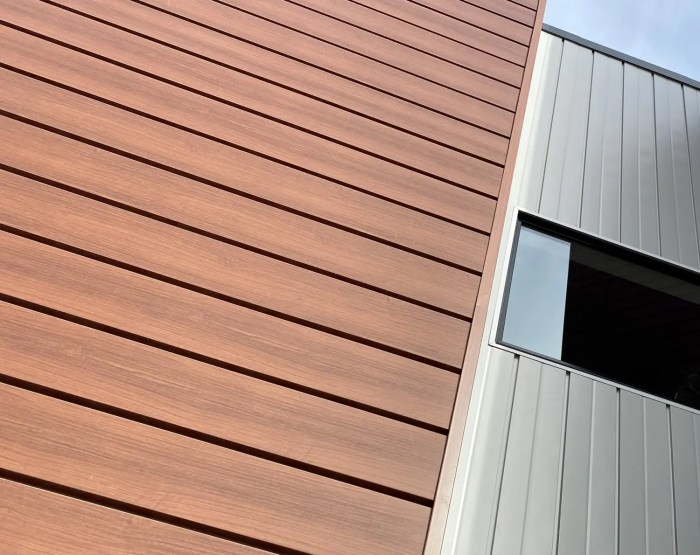
Proper maintenance is essential to preserve the quality and longevity of wood plank exterior siding. By following a regular maintenance schedule, you can ensure that your siding remains in top condition for years to come.
Maintenance Schedule for Wood Plank Siding
Establishing a routine maintenance schedule is key to keeping your wood plank siding looking its best. Here are some general guidelines to follow:
- Inspect the siding at least once a year for any signs of damage, rot, or pests.
- Clean the siding with a mild detergent and water solution to remove dirt, mold, and mildew.
- Check for any loose or missing boards and replace them as needed.
- Apply a fresh coat of sealant or paint every few years to protect the wood from moisture and UV damage.
Common Issues and Solutions
Despite proper maintenance, wood plank siding may still face some common issues. Here are a few problems you may encounter and how to address them:
- Rot:If you notice any areas of rot on your siding, remove the affected boards and replace them with new ones. Address any underlying moisture issues to prevent future rot.
- Cracking or Warping:Extreme temperature changes can cause wood plank siding to crack or warp. Sand down any rough areas and consider applying a sealant to protect the wood.
- Pest Infestation:Insect damage can weaken wood siding. Treat affected areas with a suitable insecticide and replace any severely damaged boards.
Importance of Cleaning and Sealing
Regularly cleaning and sealing your wood plank siding is crucial to protect it from the elements. Cleaning helps remove dirt and grime that can degrade the wood over time, while sealing creates a barrier against moisture and UV rays.
Design Options and Finishes for Wood Plank Exterior Siding
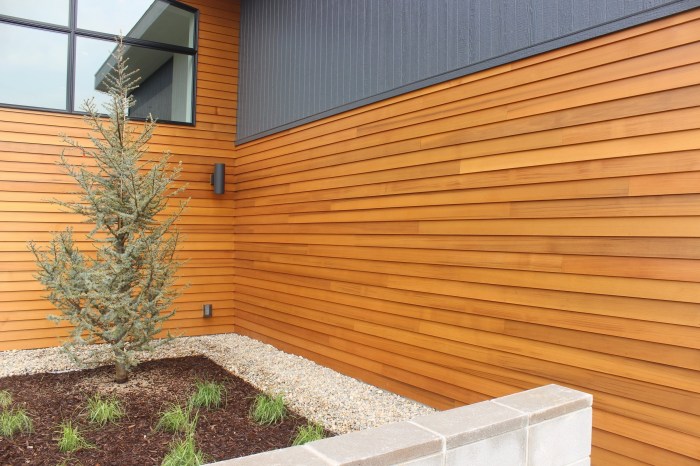
Wood plank exterior siding offers a wide range of design options and finishes, allowing homeowners to customize the look of their homes to match their style preferences. Whether you prefer a traditional, rustic, modern, or contemporary aesthetic, there are design patterns and finishes to suit every taste.
Design Patterns and Styles
- Horizontal Planks: The most common design pattern, creating a classic look that works well with various architectural styles.
- Vertical Planks: A unique and modern twist that can elongate the appearance of a building, making it look taller.
- Board and Batten: Combining wide planks with narrow strips (battens) for a charming, rustic appeal.
- Shiplap: Overlapping planks that create a clean, contemporary finish with distinctive shadow lines.
Popular Finishes
- Staining: Enhances the natural beauty of the wood while providing protection against the elements. Choose from a variety of stain colors to achieve the desired look.
- Painting: Allows for endless color options to match or contrast with the home’s exterior. Provides a protective barrier against moisture and UV rays.
- Natural Weathering: Letting the wood age naturally over time, developing a unique patina that adds character to the home.
Choosing the Right Design and Finish
When selecting a design pattern and finish for wood plank exterior siding, consider the architectural style of your home. Traditional homes may benefit from classic horizontal planks with a stained finish, while modern residences could opt for vertical planks with a sleek paint color.
It’s essential to choose a design and finish that complement the overall aesthetic of your home and enhance its curb appeal.
Concluding Remarks
In conclusion, wood plank exterior siding offers a versatile and aesthetically pleasing option for architectural design. By understanding its installation, maintenance, and design possibilities, homeowners and builders can make informed decisions.
General Inquiries
What are the common types of wood used for exterior siding?
Common types include cedar, redwood, pine, and fir.
How often should wood plank siding be cleaned and sealed?
It is recommended to clean and seal wood plank siding annually to maintain its durability.
What are the popular finishes for wood plank siding?
Popular finishes include staining for a rich color, painting for customization, or natural weathering for a rustic look.




![13 Steps to Selling a House With a Realtor [A to Z Process]](https://interior.sshstores.net/wp-content/uploads/2025/11/How-to-Sell-Your-House-with-a-Realtor-120x86.jpeg)
