

As labor for vinyl siding takes center stage, this guide delves into the intricacies of installation, cost factors, preparation, and best practices. Providing valuable insights, it aims to equip readers with essential knowledge for successful vinyl siding projects.
Exploring the nuances of labor involved in vinyl siding projects, this guide offers a detailed breakdown of key aspects to consider.
Overview of Labor for Vinyl Siding Installation
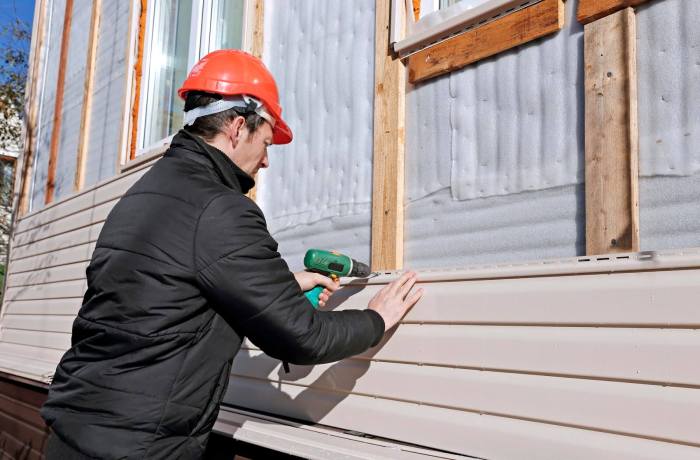
Installing vinyl siding involves a significant amount of labor to ensure a proper and durable finish on a home. The process includes measuring, cutting, fitting, and securing the vinyl panels to the exterior of the house.
Skills Required for Labor Workers in Vinyl Siding Installation
- Knowledge of proper measuring techniques to ensure accurate cuts and fits
- Experience in using tools such as a circular saw, utility knife, and hammer to cut and secure vinyl panels
- Ability to work safely at heights using ladders or scaffolding
- Understanding of the importance of proper ventilation and drainage behind the siding
Importance of Hiring Professional Labor for Vinyl Siding Projects
Professional labor for vinyl siding installation is crucial to ensure a high-quality and long-lasting result. Here are some reasons why hiring professionals is beneficial:
- Expertise: Professional labor workers have the skills and experience to handle the installation process efficiently and effectively.
- Time-saving: Professionals can complete the project in a timely manner, saving you time and effort.
- Quality workmanship: Professional installation leads to a better-finished product that enhances the curb appeal and value of your home.
- Warranty: Many professional installers offer warranties on their work, providing peace of mind and protection for your investment.
Labor Cost Factors for Vinyl Siding
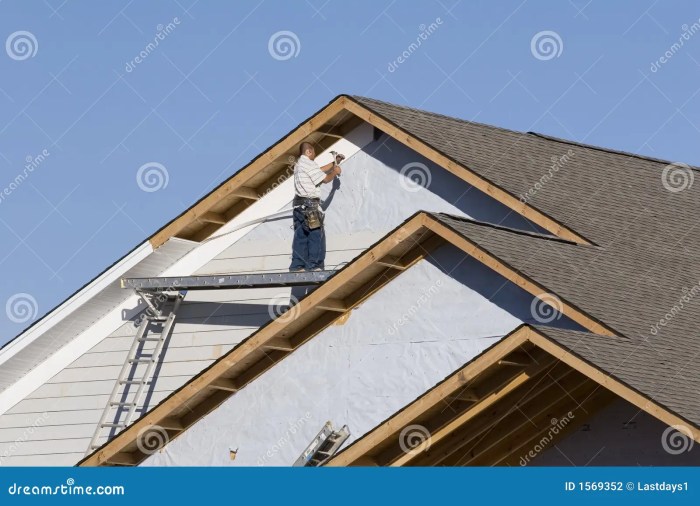
When it comes to the labor costs for vinyl siding installation, several key factors come into play that can influence the overall expenses. Understanding these factors can help homeowners and contractors better estimate the costs involved.
Types of Vinyl Siding Projects
The labor costs for vinyl siding installation can vary depending on the type of project. New construction projects may involve different labor requirements compared to renovation projects. For new constructions, the labor costs might be higher as it involves installing siding from scratch, while renovation projects may require additional labor for removing existing siding before installation.
Geographic Location and Market Trends
Labor costs for vinyl siding installation can also vary based on geographic location. In areas where labor costs are generally higher, such as urban centers, the overall cost of installation may be more expensive. Additionally, market trends can also impact labor costs.
During peak seasons when contractors are in high demand, labor costs may increase due to limited availability.
Preparation and Setup for Vinyl Siding Installation
Before laborers can start installing vinyl siding, there are essential preparatory tasks that need to be completed to ensure a smooth and efficient process. Proper setup of the work area is crucial for the success of the installation. Here are some tips for optimizing labor efficiency during the preparation phase:
Preparatory Work
- Inspect the exterior of the building to identify any repairs or modifications that need to be made before installing vinyl siding.
- Clean the work area thoroughly to remove any dirt, debris, or old siding that may interfere with the installation process.
- Ensure that the walls are properly insulated and waterproofed to prevent any issues with moisture infiltration in the future.
Setting Up the Work Area
- Organize all necessary tools and materials in a convenient and accessible location to streamline the installation process.
- Set up scaffolding or ladders to reach higher areas of the building safely and securely.
- Create a staging area for vinyl siding panels to be easily accessed during installation.
Tips for Optimization
- Work systematically from one end of the building to the other to ensure a consistent installation process.
- Coordinate with team members to assign specific tasks and maximize efficiency during preparation and setup.
- Communicate effectively to address any issues or challenges that may arise during the preparation phase.
Installation Techniques and Best Practices
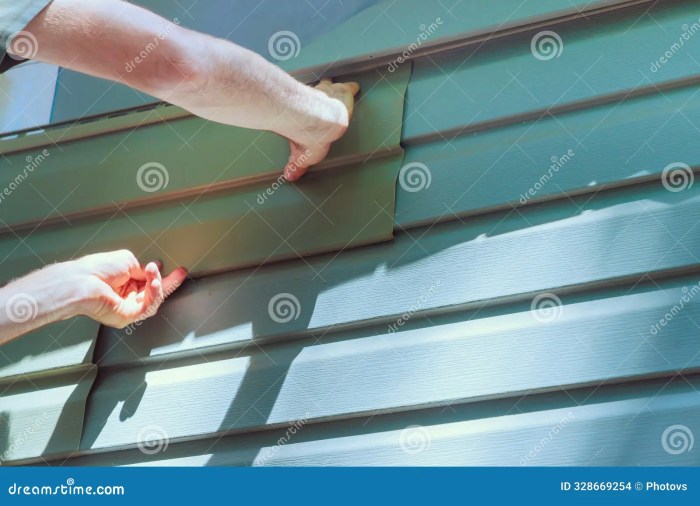
During vinyl siding installation, laborers follow a specific step-by-step process to ensure a high-quality finish that will last for years. They also use various techniques and best practices to achieve the desired results.
Step-by-Step Process for Vinyl Siding Installation
- 1. Preparation: Laborers start by preparing the work area, including removing any old siding, inspecting the walls for damage, and ensuring a smooth surface for installation.
- 2. Measurement and Cutting: Accurate measurements are taken to cut the vinyl siding panels to fit the dimensions of the walls.
- 3. Starting at the Bottom: The installation begins at the bottom of the wall, with laborers ensuring each panel is level and properly aligned.
- 4. Securing Panels: Each panel is securely attached to the wall using nails or screws, making sure they are properly overlapped to prevent water infiltration.
- 5. Finishing Touches: Laborers finish the installation by adding trim pieces, corner posts, and other accessories to complete the look.
Techniques for High-Quality Finish
- 1. Proper Alignment: Ensuring each panel is properly aligned and level to create a seamless look.
- 2. Correct Fastening: Using the right type and number of fasteners to securely attach the siding panels to the wall.
- 3. Overlapping: Properly overlapping each panel to prevent water infiltration and ensure durability.
- 4. Attention to Detail: Paying close attention to details such as corners, edges, and trim work for a professional finish.
Best Practices for Long-Lasting Installations
- 1. Weatherproofing: Ensuring proper weatherproofing measures are taken to protect the siding from the elements.
- 2. Regular Maintenance: Advising homeowners on the importance of regular maintenance to prolong the lifespan of the vinyl siding.
- 3. Quality Materials: Using high-quality vinyl siding materials that are durable and resistant to fading, warping, and damage.
- 4. Compliance with Manufacturer Guidelines: Following the manufacturer’s installation guidelines to ensure warranty coverage and optimal performance.
Wrap-Up
In conclusion, mastering the labor aspect of vinyl siding is crucial for achieving durable and visually appealing results. By understanding the intricacies of installation, cost factors, and best practices, one can ensure a successful outcome for any project.
Helpful Answers
What skills are required for labor workers in vinyl siding installation?
Labor workers in vinyl siding installation need to have knowledge of basic carpentry, use of power tools, and an understanding of siding materials.
How do labor costs vary based on geographic location?
Labor costs for vinyl siding can vary significantly depending on the region’s cost of living, availability of labor, and local market demands.
What are some best practices for long-lasting vinyl siding installations?
Ensuring proper alignment, securing fasteners correctly, and regular maintenance are key best practices for achieving durable vinyl siding installations.








![13 Steps to Selling a House With a Realtor [A to Z Process]](https://interior.sshstores.net/wp-content/uploads/2025/11/How-to-Sell-Your-House-with-a-Realtor-120x86.jpeg)
