

Embark on a journey to transform your home with a fresh coat of paint! From enhancing curb appeal to protecting against the elements, residential exterior painting plays a crucial role in maintaining the beauty and integrity of your property. Let’s delve into the intricacies of this art form and unleash the potential of your home’s facade.
Importance of Residential Exterior Painting
Residential exterior painting plays a crucial role in enhancing the overall curb appeal of a home. The color and condition of the exterior paint can significantly impact the first impression of a property, making it essential for maintaining a positive aesthetic appeal.
Impact on Curb Appeal
The exterior paint color sets the tone for the entire property and can make a statement about the homeowner’s style and attention to detail. A fresh coat of paint can transform the look of a house, making it more inviting and visually appealing to visitors and potential buyers.
Protection from Weather Damage
Paint acts as a protective barrier against the elements, shielding the exterior surfaces of a home from weather-related damage such as moisture, UV rays, and temperature fluctuations. Regular painting helps prevent issues like rotting, warping, and mold growth, ultimately extending the lifespan of the exterior materials.
Benefits of Regular Maintenance
By maintaining the exterior paint through regular touch-ups and repainting, homeowners can prevent costly repairs and replacements in the long run. Painting not only enhances the appearance of a home but also serves as a proactive measure to safeguard the structural integrity and value of the property.
Choosing the Right Paint for Exterior Surfaces
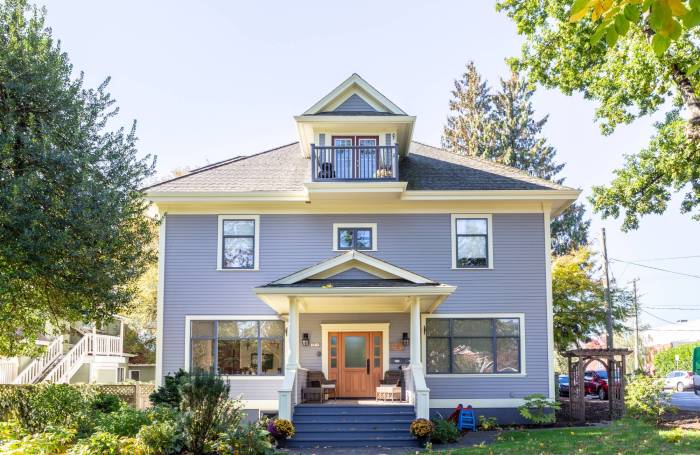
When it comes to painting the exterior of your home, choosing the right type of paint is crucial for a long-lasting finish that can withstand various weather conditions.Oil-based vs. Latex-based Paints:
Oil-based Paints
- Known for their durability and ability to create a smooth, glossy finish.
- Best suited for surfaces that require high resistance to wear and tear, such as trim and doors.
- However, they tend to yellow over time and require mineral spirits for cleanup.
Latex-based Paints
- Offer easy cleanup with soap and water, making them more environmentally friendly.
- Less prone to yellowing and provide flexibility, allowing them to expand and contract with the surface.
- Ideal for siding and other large exterior surfaces that may be exposed to moisture.
Importance of Primer and Topcoat Selection:Primer:
- Acts as a base coat that helps the paint adhere better to the surface and provides added protection.
- Choose a primer that is suitable for the surface material, whether it’s wood, metal, or masonry.
- Helps to prevent stains from bleeding through the paint and improves the overall finish.
Topcoat:
- Provides the color and finish desired for the exterior surface.
- Consider factors such as UV protection, durability, and sheen when selecting a topcoat.
- Ensure compatibility with the primer and choose a high-quality paint for long-lasting results.
Preparation and Planning
When it comes to painting the exterior of your home, proper preparation and planning are crucial to achieving a professional and long-lasting finish. Taking the time to prepare the surface correctly will ensure that the paint adheres properly and protects your home from the elements.
Steps for Preparing the Exterior Surface
- Clean the surface: Before painting, it is essential to clean the exterior surface thoroughly to remove dirt, grime, and any mildew. This can be done using a pressure washer or a scrub brush and a mixture of water and detergent.
- Repair any damage: Inspect the surface for any cracks, holes, or damaged areas. These should be repaired using a suitable filler or caulk to ensure a smooth and even surface for painting.
- Scrape and sand: Remove any loose or peeling paint by scraping and sanding the surface. This will help the new paint adhere better and prevent future peeling or flaking.
- Prime the surface: Applying a primer before painting is essential, especially on bare wood or metal surfaces. Primer helps the paint adhere better and provides an extra layer of protection against moisture and UV rays.
Significance of Proper Cleaning and Priming
Properly cleaning the exterior surface ensures that the paint will adhere properly and provide maximum protection. Priming is equally important, as it helps seal the surface, prevent stains from bleeding through, and improve the durability of the paint job.
Tips for Selecting the Right Tools and Equipment
- Choose high-quality brushes and rollers: Investing in good quality brushes and rollers will help you achieve a smoother and more professional finish.
- Consider using a paint sprayer: A paint sprayer can help you cover large areas quickly and evenly, but make sure to practice using it before tackling your entire exterior.
- Protective gear: Don’t forget to wear protective gear, such as gloves, goggles, and a mask, to protect yourself from fumes and paint splatter.
Execution of Painting Process
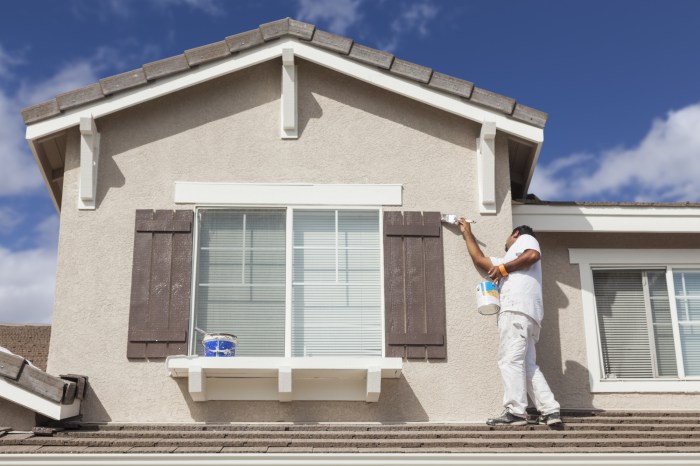
When it comes to painting the exterior of a residential property, the execution of the painting process is crucial in achieving a professional and long-lasting finish. Proper techniques and attention to detail are key to ensuring a smooth and even coat of paint that enhances the curb appeal of the home.
Step-by-Step Guide for Painting the Exterior
- Start by preparing the surfaces by cleaning them thoroughly to remove dirt, debris, and loose paint.
- Repair any damaged areas such as cracks, holes, or rotting wood before starting to paint.
- Prime the surfaces to ensure better adhesion and durability of the paint.
- Apply the paint using a high-quality brush, roller, or sprayer, working from the top down to avoid drips and streaks.
- Allow the paint to dry completely between coats, following the manufacturer’s instructions for drying times.
- Inspect the painted surfaces for any missed spots or imperfections and touch up as needed.
- Finish by cleaning up properly and storing any leftover paint for future touch-ups.
Techniques for Achieving a Smooth and Even Finish
- Use long, even strokes when applying the paint to avoid brush marks or roller lines.
- Overlap each stroke slightly to blend the paint and create a seamless finish.
- Avoid painting in direct sunlight or on windy days to prevent the paint from drying too quickly or becoming dusty.
- Consider using an extension pole for hard-to-reach areas to maintain consistency in the finish.
Handling Challenging Areas like Trim and Siding
- Mask off areas like windows, doors, and trim with painter’s tape to ensure clean lines and prevent paint from bleeding onto adjacent surfaces.
- Use a smaller brush or trim roller to paint detailed areas like trim with precision and control.
- For siding, work in small sections and blend the paint evenly to avoid lap marks or uneven coverage.
- Consider using a paint sprayer for large, flat areas of siding for a more efficient and uniform finish.
Maintenance and Longevity
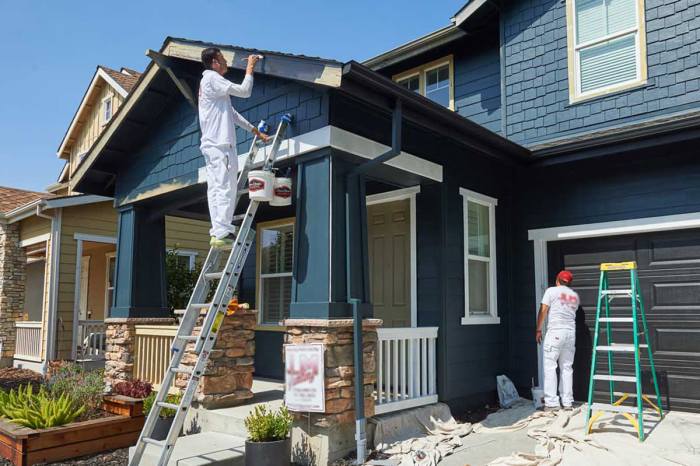
Regular maintenance is key to prolonging the lifespan of your home’s exterior paint. By following a few simple steps, you can ensure that your paint job stays looking fresh and vibrant for years to come.
Proper Cleaning
- Regularly wash the exterior walls with a mild detergent and water to remove dirt, dust, and grime that can accumulate over time.
- Consider using a power washer for tougher stains, but be sure to follow the manufacturer’s instructions to avoid damaging the paint.
- Inspect the painted surface for any signs of mold or mildew and treat them promptly to prevent spreading.
Inspecting for Damage
- Regularly inspect the exterior paint for any signs of peeling, cracking, or bubbling, as these are indicators that the paint is failing.
- Check for any areas where the paint has faded or chipped away, as these spots are susceptible to further damage if left untreated.
- Address any damage promptly by sanding, priming, and repainting the affected areas to prevent water infiltration and protect the underlying surface.
Frequency of Touch-ups and Repainting
- Generally, a high-quality exterior paint job can last anywhere from 5 to 10 years, depending on factors such as climate, sun exposure, and maintenance.
- Consider touching up small areas as needed to maintain the integrity of the paint job and prevent larger issues from developing.
- Plan to repaint the entire exterior every 7-10 years to ensure a fresh and cohesive look for your home.
Final Review
As we conclude our exploration of residential exterior painting, remember that a well-maintained exterior not only elevates your home’s aesthetic appeal but also safeguards it from wear and tear. By following the tips and techniques shared, you can ensure your property remains a beacon of beauty for years to come.
FAQ Explained
How often should I repaint my home’s exterior?
It is recommended to repaint every 5-10 years, depending on the quality of the paint and weather conditions.
Can I paint over existing paint on my home’s exterior?
Yes, but it’s crucial to properly prepare the surface by cleaning, sanding, and priming before applying a new coat of paint.
What type of paint is best for wood siding?
Acrylic latex paint is ideal for wood siding as it provides durability and flexibility to withstand changing weather conditions.








![13 Steps to Selling a House With a Realtor [A to Z Process]](https://interior.sshstores.net/wp-content/uploads/2025/11/How-to-Sell-Your-House-with-a-Realtor-120x86.jpeg)
