

When it comes to house siding installers near me, the search for the right professionals can be a daunting task. From identifying reputable websites to comparing materials and understanding the installation process, there’s a lot to consider. Dive into this guide to discover everything you need to know about finding, hiring, and working with house siding installers in your area.
This guide will take you through the essential steps and information you need to make an informed decision when it comes to house siding installers near me.
Researching House Siding Installers
When looking for house siding installers, it’s important to do your research to ensure you find a reputable and reliable company. Here are some key steps to take when researching house siding installers:
Identify Reputable Websites for Finding Local House Siding Installers
- Check websites like Angie’s List, HomeAdvisor, or Yelp to find local house siding installers in your area.
- Look for companies with good ratings and reviews from previous customers to get an idea of their reputation.
Compare Customer Reviews and Ratings on Different Platforms
- Read through customer reviews on multiple platforms to get a comprehensive understanding of the company’s performance.
- Pay attention to both positive and negative reviews to gauge the overall satisfaction level of customers.
Discuss the Importance of Checking for Licenses and Insurance
- Make sure the house siding installers you are considering are licensed and insured to protect yourself in case of any accidents or issues during the installation process.
- Ask the company for proof of insurance and licensing to ensure they meet the necessary requirements.
Types of House Siding Materials
When it comes to house siding installations, there are various materials to choose from, each with its own set of characteristics and durability. Let’s explore some common options and discuss their pros and cons.
Vinyl Siding
Vinyl siding is a popular choice due to its affordability, low maintenance, and wide range of colors and styles. It is durable, resistant to rot and insects, and easy to clean. However, it may crack or fade over time, and some homeowners find it less visually appealing compared to other materials.
Wood Siding
Wood siding offers a natural and timeless look that many homeowners appreciate. It can be painted or stained in various colors and is biodegradable, making it an environmentally friendly option. However, wood siding requires regular maintenance to prevent rot, mold, and insect damage, and it can be more expensive than other materials.
Fiber Cement Siding
Fiber cement siding is known for its durability, fire resistance, and low maintenance requirements. It can mimic the look of wood or masonry and is resistant to rot, pests, and harsh weather conditions. On the downside, fiber cement siding is heavy, making installation more labor-intensive, and it can be prone to chipping or cracking.
Metal Siding
Metal siding, such as aluminum or steel, is highly durable, fire-resistant, and requires minimal maintenance. It is available in various finishes and can provide a modern or industrial aesthetic to a home. However, metal siding can dent or scratch easily, especially in areas prone to severe weather, and it may be more expensive than other options.
Hiring the Right Siding Installer
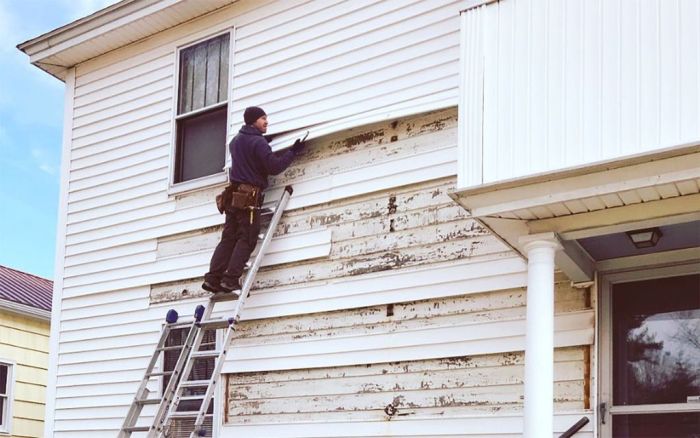
When it comes to choosing the right siding installer for your home, it’s crucial to evaluate their experience and expertise to ensure a successful project. Here are some tips and questions to consider before making your decision:
Evaluating Experience and Expertise
Before hiring a siding installer, make sure to inquire about their experience and expertise in the field. Look for installers who have a proven track record of successful projects and are knowledgeable about different siding materials and installation techniques.
Checklist of Questions to Ask Potential Installers
- How long have you been in business?
- Can you provide references from past clients?
- Are you licensed and insured?
- What kind of warranty do you offer on your work?
- Do you have experience working with the specific type of siding I want?
It’s important to ask detailed questions to ensure you are hiring a reputable and experienced siding installer.
Importance of Detailed Written Estimates and Contracts
Before starting the project, make sure to get detailed written estimates from potential installers. This should include the cost of materials, labor, timeline for completion, and any other relevant details. Additionally, always sign a contract that Artikels the scope of work, payment schedule, and any warranties or guarantees.
Preparing for House Siding Installation
Before the house siding installation begins, there are several important steps to take to ensure a smooth process and protect your property.
Protecting Landscaping and Outdoor Furniture
When preparing for house siding installation, it is crucial to protect your landscaping and outdoor furniture from any potential damage. Here are some tips to help safeguard your outdoor areas:
- Trim back any bushes, trees, or plants that are close to the exterior walls where the siding will be installed.
- Move any outdoor furniture, decorations, or other items away from the work area to prevent them from getting damaged during the installation.
- Cover delicate plants with tarps or sheets to shield them from dust, debris, and potential damage.
- Communicate with the siding installers about any specific concerns you have regarding your landscaping and outdoor furniture.
Necessary Permits or Permissions
Before starting your house siding installation, it is essential to check if any permits or permissions are required in your area. Here are some key points to consider:
- Contact your local building department to inquire about any necessary permits for siding installation.
- Ensure that the siding installer has the required licenses and insurance to carry out the work legally.
- Obtain any HOA (Homeowners Association) approvals if applicable, to avoid any issues or delays during the installation process.
- Keep all relevant documentation and permits in a safe place for future reference.
The House Siding Installation Process
When it comes to house siding installation, there are several key steps involved in the process. From preparation to finishing touches, each stage plays a crucial role in ensuring a successful installation.
Steps Involved in a Typical House Siding Installation
- Preparation: This involves inspecting the existing siding, preparing the surface, and making any necessary repairs before installation.
- Measurement: Accurate measurements are taken to ensure the siding fits perfectly and is cut to the right size.
- Siding Installation: The siding panels are then installed according to the manufacturer’s guidelines, starting from the bottom and working upwards.
- Trim Installation: Trim pieces are added around windows, doors, and corners to provide a finished look and seal off edges.
- Finishing Touches: Once the siding is installed, finishing touches such as caulking, painting, or sealing may be done to enhance the appearance and durability of the siding.
How Long Does the Installation Process Usually Take
The duration of a house siding installation process can vary depending on factors such as the size of the house, the type of siding material used, and any unexpected challenges that may arise. On average, a typical house siding installation can take anywhere from a few days to a couple of weeks to complete.
Potential Challenges During Installation
- Weather Conditions: Extreme weather conditions such as high winds, rain, or snow can delay the installation process and affect the overall quality of the siding.
- Existing Damage: Discovering underlying damage, rot, or mold during installation can prolong the process as repairs may be needed before proceeding with the siding installation.
- Inaccurate Measurements: Incorrect measurements can lead to ill-fitting siding, causing delays and additional costs for reordering materials.
- Unforeseen Obstacles: Unexpected issues such as structural problems, hidden obstacles, or material shortages can arise during the installation process, requiring quick solutions to proceed.
Maintenance Tips for House Siding
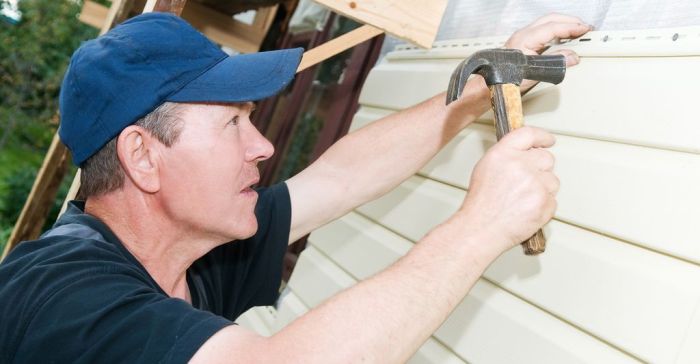
Regular maintenance is crucial for keeping your house siding in top condition and prolonging its lifespan. Different siding materials require specific care to ensure they stay looking great for years to come. Here are some essential maintenance tips for house siding:
Guidelines for Maintaining Different Types of Siding Materials
- Vinyl Siding: Clean with a mixture of water and mild detergent, rinse thoroughly, and check for any cracks or damage.
- Wood Siding: Regularly repaint or stain to protect against moisture and rot, inspect for mold or mildew, and trim any overgrown vegetation near the siding.
- Fiber Cement Siding: Inspect for any cracks or chips, repaint as needed, clean with a mild detergent and water solution, and check for signs of moisture damage.
The Importance of Regular Inspections and Cleaning
Regularly inspecting your house siding can help identify any issues early on and prevent costly repairs in the future. Cleaning your siding at least once a year can remove dirt, mold, and mildew, keeping your home looking fresh and well-maintained.
Tips for Addressing Common Issues with House Siding
- Cracks or Holes: Fill in with caulk or epoxy to prevent water damage and further deterioration.
- Peeling Paint: Scrape off old paint, sand the surface, and apply a fresh coat of paint to protect the siding.
- Mold or Mildew: Clean with a solution of water and bleach, or use a commercial mold remover to keep your siding looking clean and free of mold.
Concluding Remarks
As you wrap up your search for house siding installers near me, remember that choosing the right professionals can make all the difference in the outcome of your home improvement project. By following the tips and guidelines Artikeld in this guide, you’ll be well-equipped to make a confident decision and enjoy a seamless siding installation process.
Essential Questionnaire
How do I find reputable house siding installers near me?
Start by checking online platforms like Yelp or Angie’s List for customer reviews and ratings. Additionally, ask for recommendations from friends or neighbors who have recently had siding installed.
What are the common types of house siding materials used by installers?
Common materials include vinyl, wood, fiber cement, and metal. Each material has its own characteristics, durability, pros, and cons.
How can I ensure I’m hiring the right siding installer for my project?
Evaluate their experience, ask for references, and check for proper licenses and insurance. It’s also important to get detailed written estimates and contracts before proceeding.
What kind of maintenance do different types of house siding materials require?
Each material has specific maintenance requirements, but generally regular inspections, cleaning, and addressing issues promptly can help prolong the life of the siding.







![13 Steps to Selling a House With a Realtor [A to Z Process]](https://interior.sshstores.net/wp-content/uploads/2025/11/How-to-Sell-Your-House-with-a-Realtor-120x86.jpeg)
