

Dealing with melted siding on your home can be frustrating, especially when it seems to appear out of nowhere. One day your siding looks normal, and the next you notice warped, bubbled, or distorted panels. While it may look like heat damage from the sun, melted siding often comes from a combination of strong sunlight, reflective surfaces, and high temperatures—all working together in ways many homeowners don’t expect.
The most common cause of melted siding is window glare, especially from energy-efficient windows. These windows are designed to reflect heat away, but under the right conditions, that reflection can concentrate sunlight like a magnifying glass. When the reflected beam hits vinyl siding, the temperature can rise high enough to soften or melt the material. This is why melted siding often appears in random patches rather than across the entire wall.
Another factor that contributes to melted siding is proximity to heat sources. Grills placed too close to the house, outdoor heaters, and even fire pits can generate enough heat to warp vinyl siding. Many homeowners don’t realize that vinyl siding has a relatively low melting point, making it vulnerable to any strong heat source, direct or indirect.
Preventing melted siding is possible with a few simple adjustments. Installing window screens, planting shrubs, or placing decorative panels can help diffuse reflected sunlight. If the issue comes from a neighbor’s window, a friendly conversation can lead to simple solutions like applying window film or adjusting window treatments. For heat damage caused by grills or fire pits, keeping them several feet away from the siding will significantly reduce the risk.
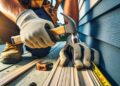
When it comes to repairs, melted siding usually requires panel replacement. Fortunately, vinyl siding is designed to be replaceable in sections, meaning you don’t always need to redo an entire wall. Matching the color might be the biggest challenge, especially if your siding has faded over time, but many manufacturers offer a range of shade variations to help blend repairs seamlessly.
In the end, melted siding is a common issue with simple causes and practical solutions. By understanding what leads to the problem and knowing how to prevent it, you can protect your home’s exterior and avoid repeated repairs in the future.





![13 Steps to Selling a House With a Realtor [A to Z Process]](https://interior.sshstores.net/wp-content/uploads/2025/11/How-to-Sell-Your-House-with-a-Realtor-120x86.jpeg)